
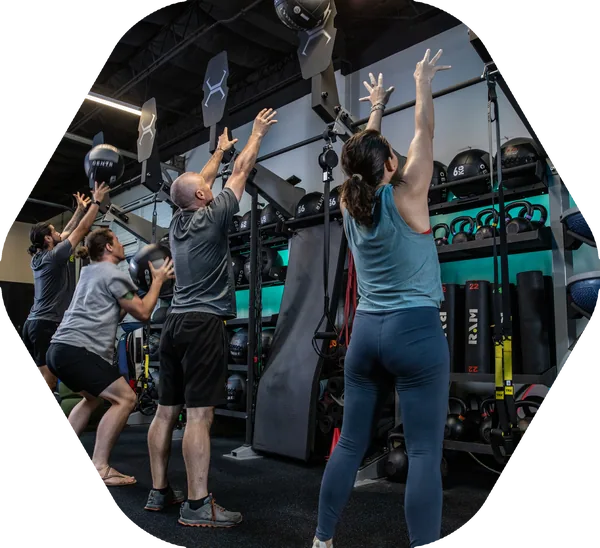
Movement is more than exercise. It is one of the most effective ways the body learns how to regulate, adapt, and recover.
At e-motion wellness®, physical activity sits at the center of the healing process because of how profoundly it impacts the entire system—brain chemistry, nervous system regulation, emotional resilience, and overall mental health. Movement doesn’t just strengthen muscles; it reshapes how we experience stress, process emotion, and engage with life.
From both lived experience and neuroscience, physical activity stands out as one of the most powerful tools available for supporting mental and emotional well-being.
Why Physical Activity Has Such a Deep Impact on Mental Health
The brain and body are constantly communicating. Every movement sends signals that influence mood, focus, and emotional balance. Consistent physical activity has been shown to:- Support healthier brain chemistry
- Improve emotional regulation
- Reduce anxiety and depressive symptoms
- Increase stress tolerance
- Enhance cognitive clarity and focus
Movement as an Experiential Path to Regulation
Healing doesn’t happen only through insight or conversation. It also happens through experience. Physical activity allows individuals to feel regulation, recovery, and resilience in real time. Through movement, the body learns how to stay present during challenges, regulate breath under effort, and return to balance afterward. This experiential approach helps individuals:- Recognize their stress responses
- Build tolerance for discomfort
- Develop confidence in recovery
- Strengthen trust in their body
- Translate regulation into daily life
How Movement Strengthens the Entire Healing Process
Because physical activity influences both physiology and psychology, it supports every layer of emotional wellness. Movement contributes to:- Emotional regulation by improving nervous system adaptability
- Self-concept by rebuilding confidence and agency
- Connection through shared physical engagement and presence
- Outcomes by creating measurable, sustainable progress
Movement Works Best as Part of an Integrated System
The benefits of movement deepen when it’s supported by complementary practices that help the body adapt and recover. Physical activity works in relationship with:- Breathing, which regulates pace, rhythm, and stress response
- Cold exposure, which challenges adaptability
- Heat and recovery environments, which support relaxation and integration
- Rest and reflection, which allow changes to settle
Pillar Connection: Movement & Outcomes
This conversation aligns closely with two core pillars of the e-motion wellness® framework:- Movement — Using physical activity as a primary pathway for regulation, resilience, and mental health support.
- Outcomes — Focusing on tangible improvements in capacity, recovery, emotional balance, and overall function.
Movement as Preparation for Life
Movement is not about pushing limits or chasing performance. It’s about preparing the nervous system for real life—stress, change, challenge, and recovery. Through physical activity, the body learns:- I can engage
- I can tolerate stress
- I can recover
- I can adapt


