
Therapy
PHP / IOP & e-lumni Program
Structured, personalized mental health and addiction treatment — at the level of care you actually need.
Understanding Therapy Care Levels
Partial Hospitalization Program (PHP)
Partial Hospitalization Program (PHP) for mental health and substance use disorders
Our Partial Hospitalization Program (PHP) provides a structured, intensive level of care for individuals seeking support for mental health challenges and substance use disorders while maintaining the flexibility to live at home. This program offers the perfect balance between comprehensive treatment and the opportunity to engage in daily life, making it an ideal step down from residential care or an effective alternative to inpatient treatment.
Benefits of Our PHP:
- Flexible treatment: We are one of the few PHP programs that offer evening hours. Attend therapy and structured programming during the evening and return home the same night, allowing you to apply the skills you learn in real-world settings.
- Continuity in daily life: Stay connected to your family, work, and community while receiving the care and support you need.
- Comprehensive, evidence-based approach: Our program integrates individual therapy, group counseling, and psychoeducation focused on mental health, addiction recovery, and relapse prevention.
- Supportive community: Build connections with peers who are navigating similar challenges in a safe, non-judgmental environment.
- Individualized care: Treatment plans are tailored to your unique needs, ensuring that you receive the right level of support and intervention.
PHP is a powerful step in the recovery process, offering structure and accountability without the need for overnight stays. Whether transitioning from residential care or starting treatment at this level, our program helps you build the tools for long-term success while maintaining balance in your personal life.
Intensive Outpatient Program (IOP)
Intensive Outpatient Program (IOP) for mental health and substance use disorders
Our Intensive Outpatient Program (IOP) offers a highly flexible and personalized approach to recovery, allowing individuals to receive the support they need while maintaining their daily routines. IOP is ideal for those who do not require the round-the-clock supervision of residential treatment but still benefit from a structured, supportive environment.
What Makes Our IOP Unique:
- Flexible scheduling: We offer morning, afternoon, and evening options to accommodate work, school, and family commitments.
- Specialized curriculum: Our program addresses both mental health and substance use challenges through an integrated, evidence-based approach.
- Comprehensive care: Treatment incorporates group therapy, individual therapy, and psychoeducation to address the full spectrum of each client’s needs.
- Peer support: Clients build meaningful connections with others on similar journeys, fostering a sense of community and shared growth.
What Makes Us Different
Our Therapy Services
Our team consists of licensed professionals trained in trauma-informed care and EMDR. Every clinician on our team is fully licensed — not pre-licensed or supervised associates. You receive expert care from day one.
e-motion wellness® Method
Our innovative experiential fitness model incorporates physical activity as a core therapeutic tool, recognizing the deep connection between the mind and body. This approach promotes neuroplasticity and emotional regulation in ways that traditional talk therapy alone cannot achieve.
Engaging Environment
Our thoughtfully designed treatment space creates a welcoming, state-of-the-art environment that supports focus, connection, and healing. Every aspect of our facility was designed with your experience in mind.
Strong Community Focus
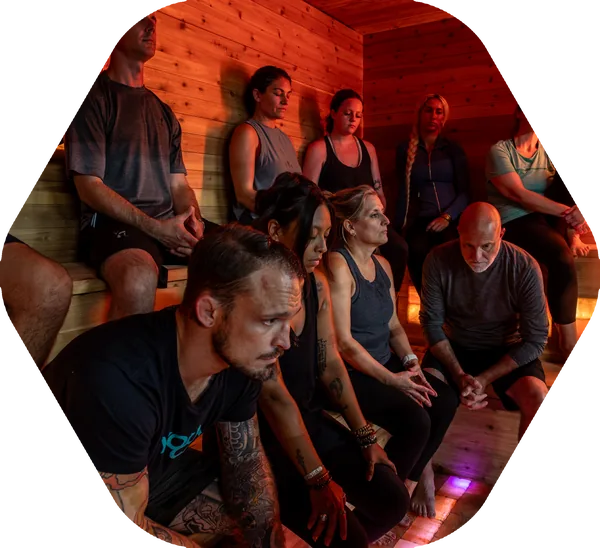
Community is one of the most powerful aspects of our program. Clients bond through physical activities, cold plunging, sauna conversations, and shared challenges — creating an immediate sense of belonging that is genuinely transformative.
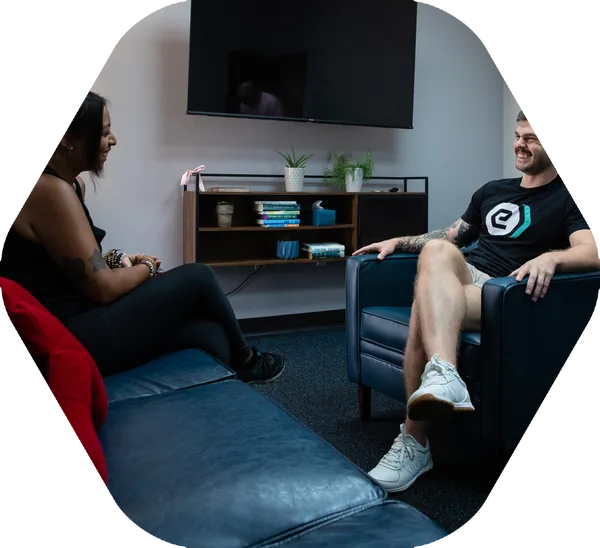
Individual Therapy
An exclusive and private mental health therapy program, tailored to deliver a comprehensive, one-of-a-kind experience.
Multidisciplinary Approach
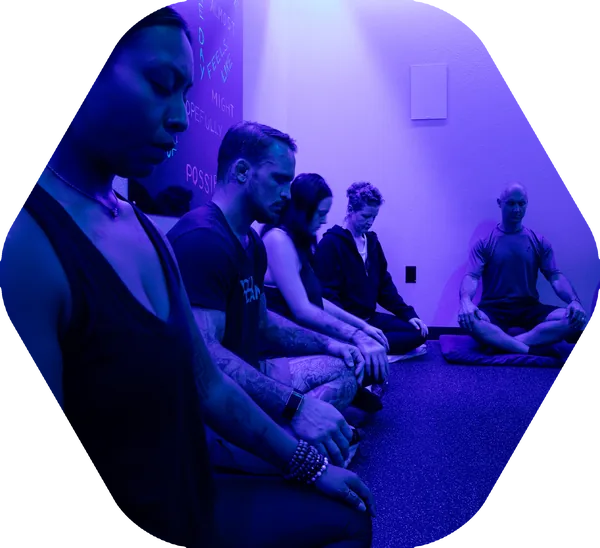
Our program integrates multiple disciplines — from breathwork to cold plunging, infrared sauna, and Nordic sauna sessions — to support relaxation, rejuvenation, and emotional balance. These tools work together to create a full-spectrum healing environment.
Individualized Trauma Treatment
Our highly skilled therapists specialize in trauma using evidence-based approaches including EMDR (Eye Movement Desensitization and Reprocessing) and somatic experiencing. Every treatment plan is built around your specific history and needs.
Fitness Coaching and Nutrition Education
Our dedicated fitness coaches provide personalized mindset protocols and physical exercise routines designed to improve and support neurochemistry. Body composition and biometric monitoring ensure your physical progress reinforces your mental health work.
Concierge Services and Accountability
We offer a high level of flexibility through a dedicated team providing personalized guidance, regular check-ins, and customized treatment plans. Your care evolves with you.
Family Therapy and Communication
Our program includes family therapy sessions designed to improve communication, resolve conflicts, and strengthen relationships. Healing works best when the people around you are part of the process.
Trauma Intensives
Fully customized and optimized programs developed for each individual. Trauma intensives give you concentrated, focused time to process and move through what has been holding you back.
Modalities
Internal Family Systems (IFS)
Internal Family Systems (IFS) therapy focuses on the interconnected, dynamic parts of an individual’s mind. It helps people understand and make peace with their various internal experiences — emotions, beliefs, and memories — in order to achieve greater mental health and well-being. Through IFS, individuals learn to access their inner experiences, create new positive relationships with them, and develop more effective coping strategies through fostering greater emotional regulation and self-awareness.
Shadow Work
Shadow work is a powerful style of counseling that helps individuals explore the parts of themselves they have been avoiding. Through this type of therapy, you can gain insight into the root causes of issues such as depression, anxiety, and low self-esteem.
Mindfulness
Mindfulness is a powerful practice that can help you live in the present moment, reduce stress and anxiety, improve your concentration, and cultivate more self-awareness.
Cognitive Behavioral Therapy
Cognitive Behavioral Therapy (CBT) focuses on helping patients recognize patterns of thinking that lead to certain emotions or behaviors, then teaches them how to change those patterns for the better. Through cognitive restructuring, patients learn skills such as problem-solving, self-monitoring, challenging automatic thoughts, and improving communication.
Dialectical Behavior Therapy
Dialectical Behavior Therapy (DBT) is an evidence-based cognitive behavioral treatment developed to help people cope with difficult emotions and improve their interpersonal relationships. DBT includes skills training in four areas: mindfulness, interpersonal effectiveness, emotion regulation, and distress tolerance.
Acceptance and Commitment Therapy
Acceptance and Commitment Therapy (ACT) helps individuals move toward acceptance of their feelings, emotions, and behaviors. It encourages self-compassion and the development of life skills such as mindfulness, cognitive defusion, values clarification, committed action plans, and acceptance strategies.
EMDR
EMDR (Eye Movement Desensitization and Reprocessing) is an integrative psychotherapy approach that helps people process and manage difficult memories and experiences more effectively. Through the use of eye movements, sounds, or tactile stimulation, EMDR can create new neural pathways associated with positive emotions and beliefs, providing lasting change.
Neurochemical Healing Protocols
Lifestyle changes, thermoregulation, journaling, and neuroplasticity are powerful tools for helping mental health patients manage their symptoms and find relief. These approaches help rewire the brain by creating new pathways or strengthening existing ones, reducing anxiety, depression, PTSD, and other concerns while improving emotional regulation, communication skills, and cognitive functioning.